

Makeover That Conserves Water & Manages Runoff!
5 DIY Possibilities For a Lawn & Garden Makeover That Conserves Water & Manages Runoff?
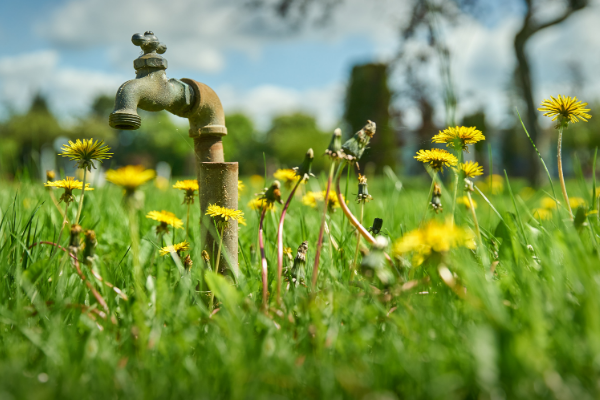
Most lawns and gardens are severe water wasters. Estimation shows that up to 50% of outdoor water is lost due to lack of maintenance and inefficient water distribution systems and poor selection of plants.
Storm water runoff is also a major source of water pollution and flooding for many cities. As storm rainwater and melted snow sweeps through the streets, it picks up litter, toxic chemicals like fertilizers and oil, as well as other harmful contaminants that end up in waterways and affect water quality.
Water is a precious natural resource and in this era of environmental awareness, sustainable landscaping is crucial. Fortunately, homeowners can address such problems by implementing techniques that can go a long way in conserving water and reducing runoff.
If you’re thinking about a lawn and garden makeover, these 5 DIY ideas can help transform your landscape into a beautiful, functional and eco-friendly space.
1. Pervious surfaces
Normal paving systems on roads, parking lots, driveways, and sidewalks are impenetrable, causing storm water to pool and eventually run off into nearby water bodies. In contrast, permeable paved surfaces are porous which allows them to percolate water into underground layers of soil. They are just as strong and durable as typical concrete or asphalt pavements, and come in a variety of options to suit your needs. These include:
Permeable concrete.
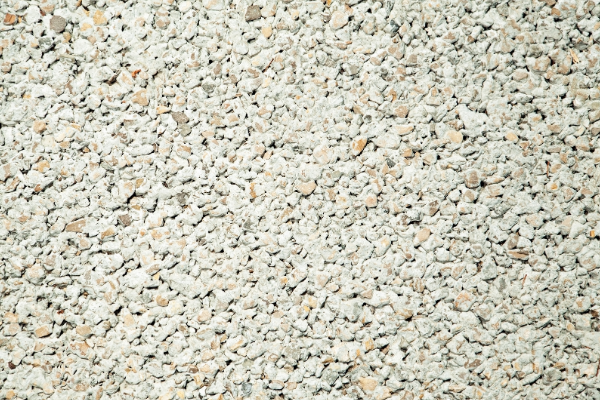
This is a special type of concrete which is thicker than cement and has a rough exterior. It has no fine aggregate (clay or sand) which enables rainwater to seep through into underground aquifers.
Interlocking concrete pavers
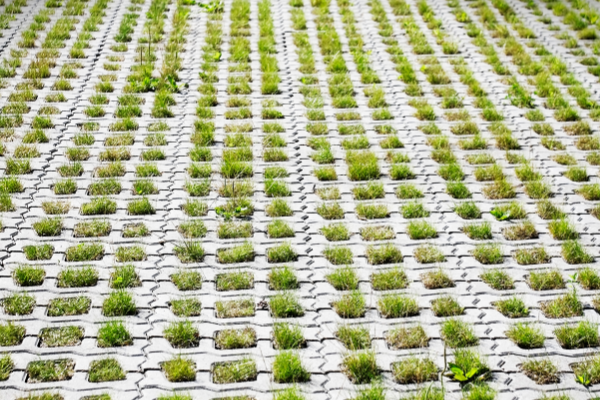
These are ready-made concrete blocks which are laid side by side and separated by small stones. Water infiltrates through the spaces among the concrete units into the sub soil underneath. They’re highly durable, easy to install and cost-effective in the long run. They’re also available in different colors, shapes and sizes to fit your desired aesthetic.
Porous asphalt
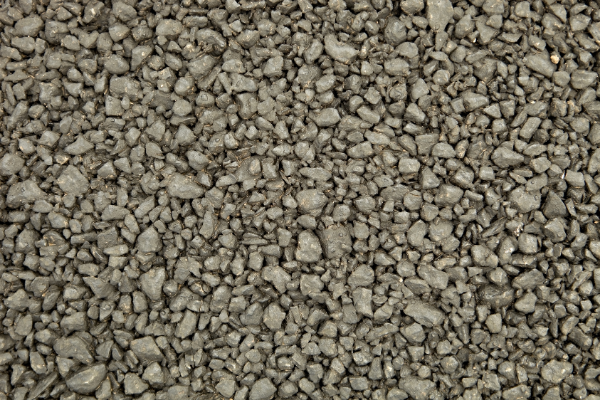
Unlike traditional asphalt pavement, porous asphalt pavement structure is softer and has no fine aggregates, which makes it pervious and effective for storm water mitigation and recharging groundwater.
Plastic grid paves
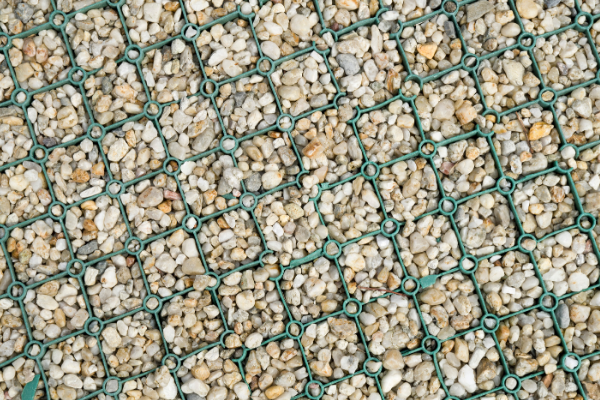
These are made from 100% recycled plastic and are seen as a more eco-friendly alternative to concrete, gravel or asphalt pavements. They’re aesthetically appealing, have outstanding durability and provide 100% permeability. Plastic pavers can be filled with grass or gavel depending on the level of traffic in the area.
2. Bio swales and rain gardens
Bio swales and rain gardens are bio retention cells.This design is to capture and filter storm water runoff from roofs, driveways, and other impervious surfaces. While they serve a similar function, they have different designs and applications.
Bio swales are long vegetative channels often found on property edges and along roadways and sidewalks. They slow down storm water runoff, clean it, and convey it to sewer inlets or other bio retention areas. Bio swales are better suited for large areas like parking lots and can reduce water runoff by 25%.
On the other hand, rain gardens are small depressions filled with wild flowers and native plants usually located next to a building and integrated into the landscape. They are designed to hold and absorb downspouts from rooftops, driveways, and patios. Rain gardens also provide a good habitat for birds and insects.
3. Plantings
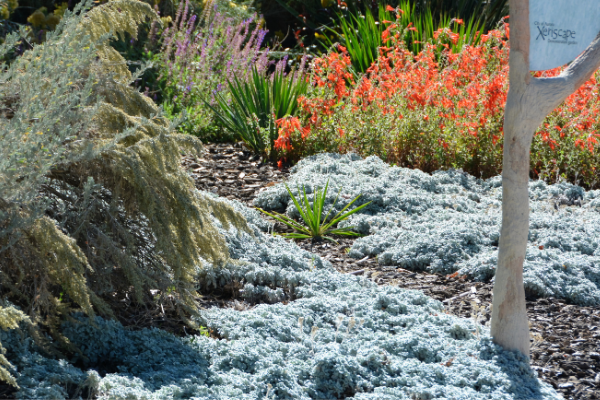
Native plants grow naturally in a region. They suit well to the soil and climatic conditions of the place. They are a better alternative to grass because they require extremely low maintenance and no chemical fertilizers and pest control to thrive.
On top of that, native plants sustain native wildlife are excellent in conserving water. They reduce storm water runoff because of their deep roots.
Growing a native lawn and garden can be quite easy and rewarding. Xeriscaping is a great technique that can give you the best outcome.
Xeriscaping is the grouping of plants based on their water needs. It’s a great way to conserve water hence why it’s widely used in arid and semi-arid regions. However, the technique can be applied anywhere. Many beautiful native plants are drought-resistant. You can find the best options from your local area to grow a lush landscape.
Trees can also be a great addition to your yard. They add beauty and texture to an outdoor space, and provide privacy and much needed shade in the summer. Trees also guard against winds, reduce soil erosion, and manage runoff.
Discover what to plant in winter
4. Rain barrels
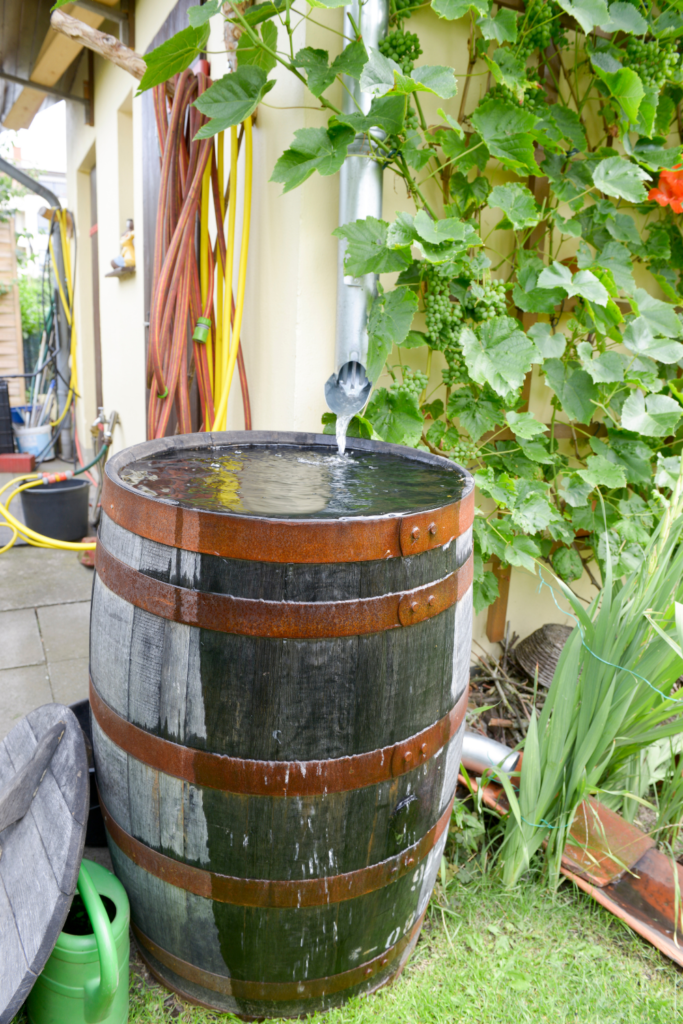
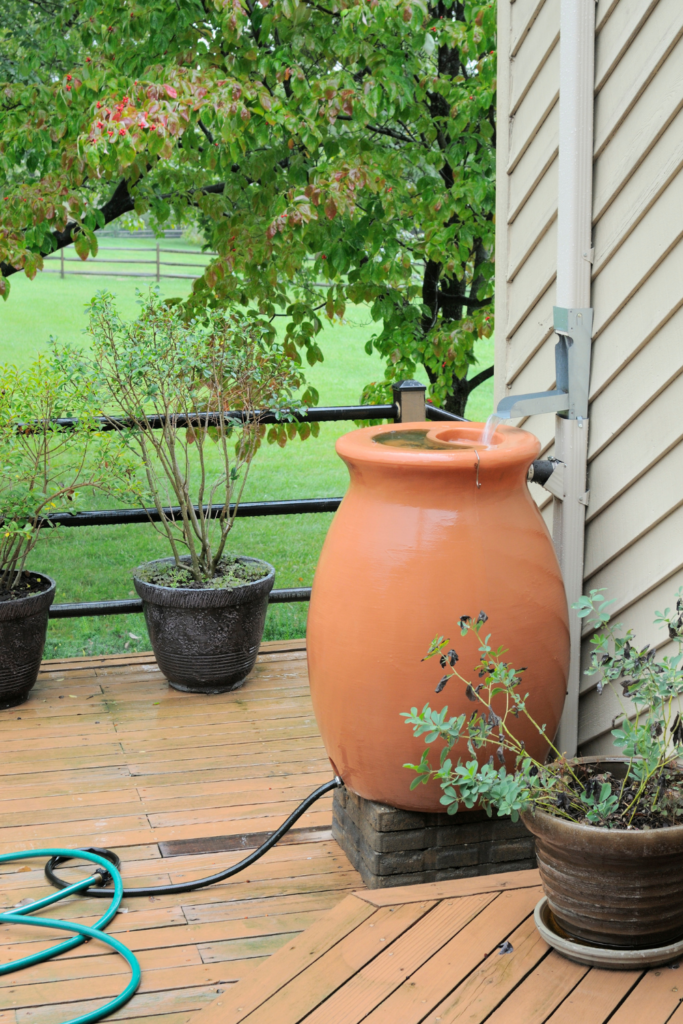
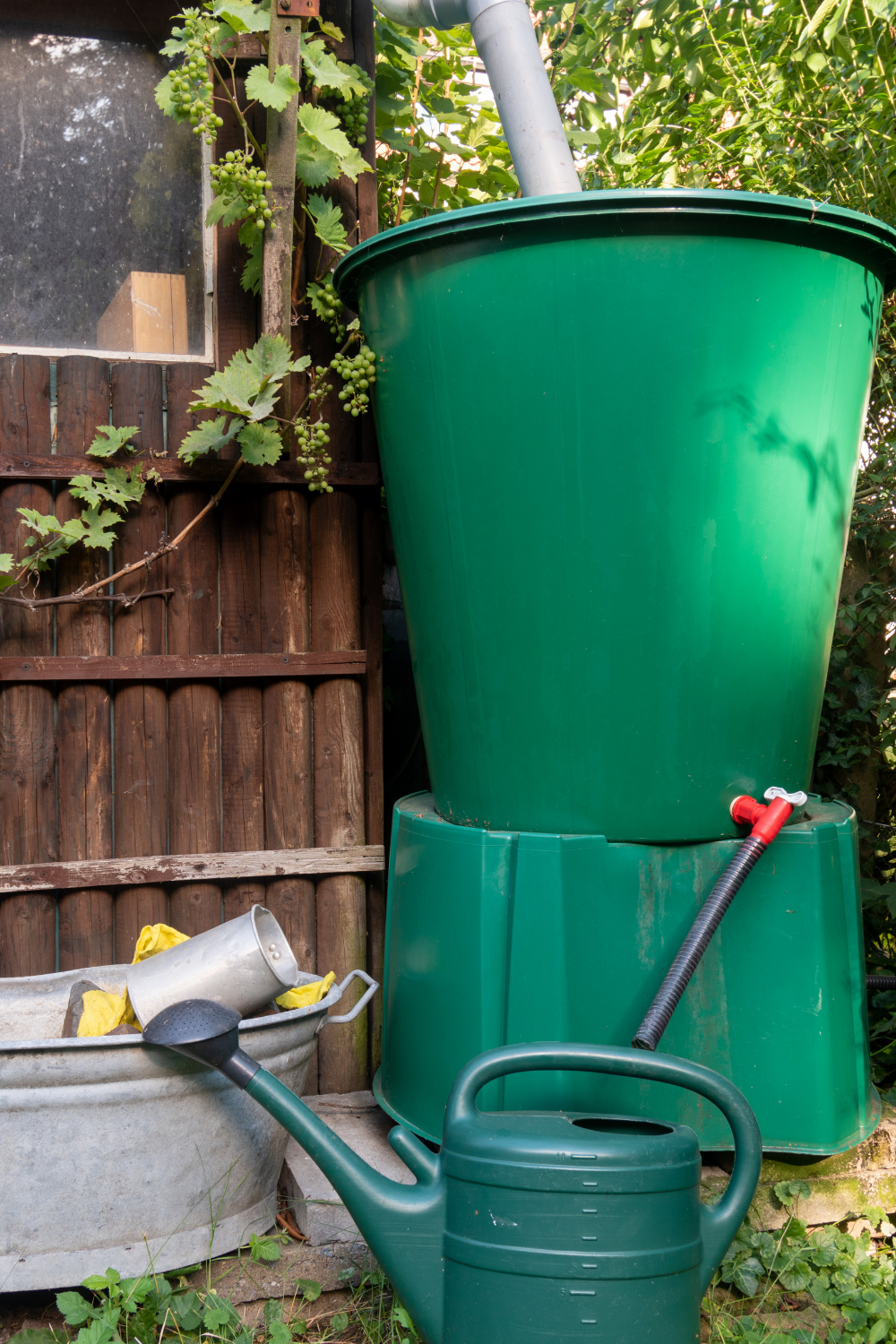
Rain barrels are containers which collect rainwater diverted from the rooftop of a building though the gutter or downspout. They help conserve water and reduce storm water runoff. The barrels are often made from food-grade plastic with a storage capacity of up to 80 gallons. In addition, they are opaque to discourage algae growth induced by sunlight.
The harvested water can be used for household cleaning purposes like washing dishes and clothes as well as lawn watering.
5. Irrigation
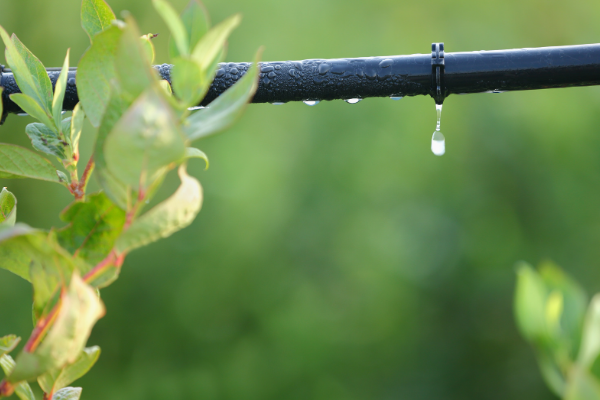
Maintaining a vibrant landscape requires a lot of water, nonetheless, efficient irrigation is necessary to prevent wastage.
One of the best water-conserving irrigation methods is drip irrigation. The supply of water is slowly (2-20 l/hr.) run through perforated pipes placed above or slightly below the ground and next to the root of the plants to reduce evaporation and runoff.
If you’d like a more efficient and tech-savvy method of irrigation, smart irrigation can be an ideal choice. Smart irrigation technology integrates advanced controllers and sensors capable of responding to weather conditions. Smart irrigation also includes soil moisture levels to ensure optimal water usage. They can cut down on outdoor water usage by 20-40 percent.
Though they come at a hefty cost, they ultimately pay for themselves by significantly lowering water bills.
Wrapping up
You can revamp your outdoors into an attractive and water-efficient landscape.
Conserving water doesn’t have to be difficult or time consuming . A few one-time investments can make all the difference.
These five DIY solutions can save your water bills and protect your local supply from the negative impact of storm water runoff.
Try them and see how much water you can save this year!
